Ask ten different trekkers which Nepal trek you should do first, and you’ll get ten different answers—usually delivered with the kind of conviction that makes you doubt every trip you were about to book. One friend swears Everest Base Camp changed her life. Another insists Annapurna gives you better views for way less suffering. Someone else, back from Langtang for barely a week, won’t stop showing you photos of a cheese factory in the middle of the Himalayas. So who’s right?
Honestly, all of them are — it just depends on how many days you have, how your knees feel about steep stone steps, and what kind of mountain moment you’re actually chasing. That’s really what this comes down to. Escape Himalaya has spent years running trekkers through the Khumbu, the Annapurna region, and the Langtang valley, and if there’s one thing that experience teaches you, it’s that there’s no single “best” trek in Nepal — there’s just the best one for you, right now, given your time and your legs.
This guide walks through the three routes people ask about most: the world-famous Everest Base Camp Trek, the increasingly popular Short Annapurna Base Camp Trek, and the quieter, criminally underrated Langtang Valley Trek. We’ll get into what each day on the trail actually feels like, how the routes compare, when to go, what altitude sickness really means for your plans, and the small stuff that first-timers usually wish someone had mentioned earlier. By the end, you’ll probably know which one to book — or you’ll realize, like a lot of us eventually do, that you’re going to end up doing all three anyway.
Everest Base Camp Trek: Walking Toward the Roof of the World
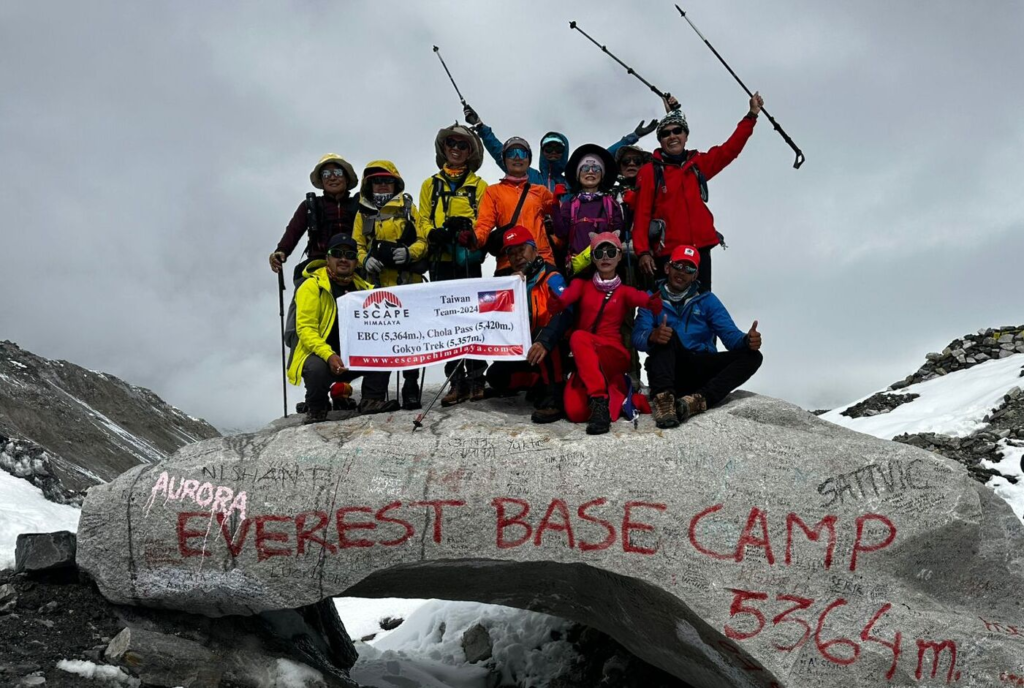
There’s a reason the Everest Base Camp Trek ends up on every single Nepal bucket list, and it isn’t just marketing. This is the trail that takes you through Sherpa villages, past prayer flags whipping in the wind, and finally to the foot of the tallest mountain on the planet. Most people’s first adrenaline hit comes before the trek even starts — the flight into Lukla, landing on a short, sloped runway tucked into the mountainside, is one of the wildest airport experiences you’ll ever have.
From Lukla, the trail climbs steadily through Phakding, Namche Bazaar, Tengboche, and Dingboche as it works its way up the Khumbu Valley. Most itineraries run 12 to 14 days round trip, and that length isn’t there to pad the price — it’s built around acclimatization. You’re gaining roughly 3,000 meters between Lukla and base camp, and trying to rush that climb is exactly how people end up turning back early, sick and disappointed. Namche Bazaar, the unofficial capital of the Khumbu, is where most trekkers take their first rest day, and it’s worth every hour — bakeries, gear shops, and your first real glimpse of Everest peeking over the ridge.
What actually makes this trek special isn’t only the destination, though standing at 5,364 meters with the Khumbu Icefall right in front of you is something you don’t forget. It’s everything alongside the walk — monasteries like Tengboche, the quiet warmth of Sherpa hospitality, and the sheer scale of the Himalayas closing in tighter with every day you climb. A lot of trekkers tack on Kala Patthar too, a viewpoint that arguably beats base camp itself for Everest views. It’s physically demanding, no way around that, but with sensible pacing and a decent guide, it’s within reach for anyone with reasonable fitness and a stubborn streak.
Short Annapurna Base Camp Trek: Big Views, Smaller Time Commitment
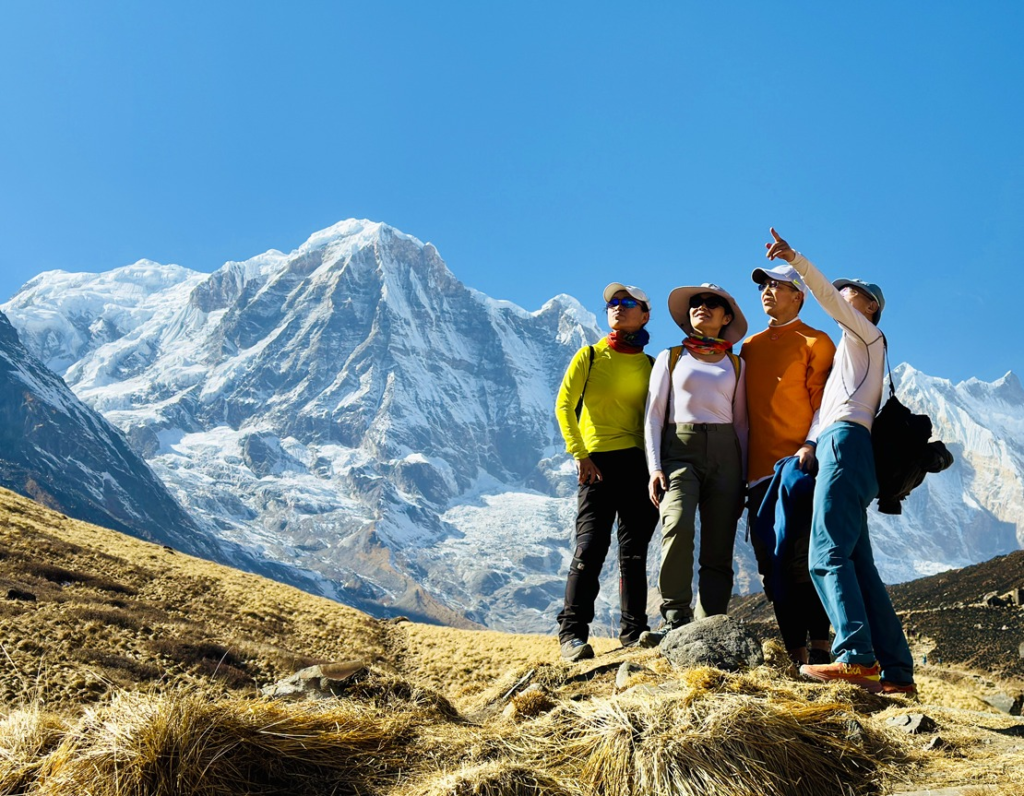
If two weeks off work just isn’t happening, the Short Annapurna Base Camp Trek is usually where people land instead. Done in 7 to 9 days typically, this route delivers the dramatic 360-degree amphitheater of peaks — Annapurna I, the unmistakable Fishtail summit of Machapuchare, and Hiunchuli — without demanding the extended time or the higher-altitude risk that comes with the Khumbu.
The trail begins near Pokhara, a lakeside city that’s a trekking hub in its own right, and moves through Ghandruk or Nayapul depending on which variation you pick, climbing through rhododendron forest that turns the hillsides pink and red if you’re there in March or April, then on through traditional Gurung villages. The terrain feels gentler than Everest in most stretches, though “short” doesn’t mean easy — there are stone staircases around Chhomrong that will absolutely test your legs.
Base camp itself sits around 4,130 meters, high enough that you still need to pace yourself sensibly, but noticeably lower than the Everest route, which means altitude sickness risk drops quite a bit too. That’s a big part of why this trek has become so popular with people short on vacation days, or first-timers who still want that “standing in front of an 8,000-meter peak” moment without the full commitment.
What really sets the Short Annapurna Base Camp Trek apart is how much variety gets packed into so few days — dense forest, terraced farmland, the hot springs at Jhinu Danda (genuinely one of the best rewards in Nepal trekking after a long day), and then, almost without warning, you’re surrounded by glaciers and vertical rock walls. It’s a trek that pays you back quickly, which is exactly why so many people choose it as their introduction to Himalayan trekking.
Langtang Valley Trek: Nepal’s Quiet Alternative
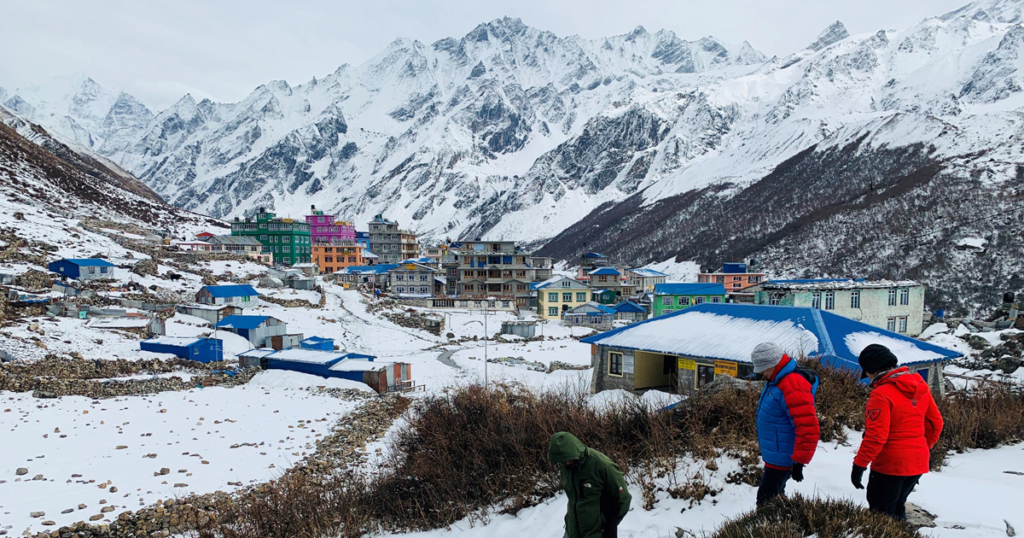
The Langtang Valley Trek doesn’t get anywhere near the attention it deserves, and honestly, that’s part of the appeal. Sitting just north of Kathmandu — the trailhead is roughly 7 to 8 hours away by road, no domestic flight required — this trek offers Himalayan scenery that genuinely rivals Everest and Annapurna, minus most of the crowds.
The route follows the Langtang River through oak, bamboo, and rhododendron forest before the valley opens up wide, giving the trek its name. Along the way you’ll pass Lama Hotel, Langtang village, and Kyanjin Gompa, a small monastery town that also happens to run a little cheese factory worth a stop. The Tamang and Tibetan Buddhist culture here feels distinctly different from the Sherpa communities of the Khumbu, with mani walls, chortens, and monasteries scattered along the trail the whole way up.
This one typically runs 7 to 10 days, putting it in a strong middle ground — longer than the Short Annapurna route, but considerably shorter and less demanding than the full Everest itinerary. Most people reach Tserko Ri or Kyanjin Ri as their high point, both delivering sweeping views of Langtang Lirung and the surrounding peaks from a manageable 4,600 to 5,000 meters.
Worth mentioning too — the Langtang region took a serious hit in the 2015 earthquake, and the local community has rebuilt with real grit. Trekking here now directly supports that ongoing recovery. Add in fewer crowds, lower overall costs, and tea house hospitality that feels genuinely warm rather than transactional, and you’ve got a trek that quietly outperforms expectations for anyone willing to skip the more famous routes.
Why These Three Treks Are So Special
What ties the Everest Base Camp Trek, the Short Annapurna Base Camp Trek, and the Langtang Valley Trek together is that each one gives you a completely different flavor of the Himalayas without asking for technical climbing skills or mountaineering gear. Nobody’s roping up or using crampons here — you’re walking, which makes all three trails accessible to regular hikers who’ve trained reasonably well beforehand.
They also each land in that sweet spot between remoteness and comfort. Tea houses along all three routes offer basic beds, hot meals, and usually Wi-Fi for a small fee, so you’re never truly roughing it even up at altitude. Culturally, each trek runs through communities — Sherpa, Gurung, and Tamang—with their own traditions, festivals, and mountain histories, so you come home with more than just photos of peaks.
And finally, these treks scale to different kinds of travelers. Short on time but still want a real taste of the Himalayas? Annapurna delivers fast. Have two solid weeks and want the ultimate bragging rights? Everest is calling your name. Want fewer crowds and a slower, culturally rich pace close to Kathmandu? Langtang is the one nobody ever seems to regret choosing.
Comparison at a Glance
| Feature | Everest Base Camp Trek | Short Annapurna Base Camp Trek | Langtang Valley Trek |
| Duration | 12-14 days | 7-9 days | 7-10 days |
| Max Altitude | 5,364m (5,545m with Kala Patthar) | ~4,130m | ~4,600-5,000m |
| Difficulty | Challenging | Moderate | Moderate |
| Starting Point | Flight to Lukla | Drive/flight to Pokhara | Drive from Kathmandu |
| Crowd Level | High | High (peak season) | Low to moderate |
| Best For | Experienced trekkers, bucket-listers | First-timers, time-limited travelers | Culture lovers, off-beat seekers |
| Approx. Cost | Higher (flights + permits) | Moderate | Lower |
Routes and Highlights
Each trek follows its own distinct geographic path, and understanding the route ahead of time just helps you set realistic expectations. The Everest Base Camp trail runs north from Lukla through the Dudh Koshi valley, climbing steadily through Namche Bazaar (3,440m), Tengboche, Dingboche, and Lobuche before reaching Gorak Shep and finally base camp itself. Highlights include Tengboche Monastery, the panoramic views from Kala Patthar, and the Khumbu Icefall — a slow-moving river of ice marking the start of the actual summit route climbers use.
The Short Annapurna Base Camp route usually begins near Nayapul or Kimche, passing through Ghandruk, Chhomrong, and the Modi Khola gorge before the trail opens dramatically into the Annapurna Sanctuary. The Jhinu Danda hot springs are a genuine highlight along the way, along with that sudden shift from dense forest into the amphitheater of snow peaks surrounding base camp — Machapuchare’s fishtail silhouette is one of the most photographed sights in the entire country.
Langtang’s route is more of a straight line, following the Langtang Khola upstream from Syabrubesi through Lama Hotel and Langtang village to Kyanjin Gompa. From there, side trips to Kyanjin Ri or Tserko Ri offer some of the best value-for-effort viewpoints in Nepal — glacier and peak views without the extreme elevation gain that Everest demands. The Kyanjin cheese factory and the valley’s Tibetan Buddhist monasteries round out a route that blends scenery with real cultural texture.
Best Time for These Treks
For all three routes, the two golden windows are spring (March to May) and autumn (late September to November). Autumn generally edges ahead for clearer skies and steadier weather, especially just after the monsoon clears out and visibility hits its best. Spring, on the other hand, brings rhododendrons into full bloom — particularly stunning along the Annapurna and Langtang routes — along with comfortably warm daytime temperatures.
Winter treks (December to February) are doable on all three trails, but expect cold nights, especially higher up near Everest Base Camp or Kyanjin Ri, and some tea houses may be closed for the season. Monsoon season (June to August) is generally one to skip — trails turn muddy, leeches show up in the lower forested stretches, and mountain views vanish behind cloud cover more often than not.
Understanding Altitude Sickness
Altitude sickness is the one variable that can derail an otherwise perfectly planned trek, and it doesn’t care how fit you are — plenty of strong athletes get hit with it too. Above roughly 2,500 meters, your body starts working harder to make up for lower oxygen levels, and symptoms like headache, nausea, dizziness, and fatigue can show up within hours if you’ve gained elevation too quickly.
The Everest Base Camp Trek carries the highest risk simply because of how high it goes, which is exactly why well-built itineraries include acclimatization days at Namche Bazaar and Dingboche. The Short Annapurna Base Camp and Langtang Valley treks carry comparatively lower risk given their lower ceilings, but it still pays to walk slowly, drink plenty of water, and skip the alcohol while you’re up there. If symptoms get worse instead of better with rest, descending is always the right call — no viewpoint, no base camp, nothing is worth ignoring what your body’s telling you.
Tips for First-Time Trekkers
Break in your boots long before you land in Nepal, and pack layers instead of one heavy jacket — mornings are cold, afternoons warm up fast, and you’ll be adjusting all day. Hire a licensed guide or porter if this is your first trek; it makes the whole experience smoother and puts money directly into the local economy. Carry cash for tea houses and snacks, since ATMs disappear the moment you leave the bigger towns, and always walk your own pace rather than chasing someone faster up the trail.
Choose Escape Himalaya for a Safe and Memorable Trek
Planning matters just as much as the trail itself, and that’s really where Escape Himalaya earns its reputation. With years of on-ground experience across the Everest, Annapurna, and Langtang regions, their guides know the trails, the seasons, and the small details that quietly make or break a trek. Honest pricing, responsible trekking practices, and genuine local expertise make Escape Himalaya a solid, trustworthy choice for anyone putting together a Nepal adventure—whether that’s the full Everest Base Camp Trek, the Short Annapurna Base Camp Trek, or the Langtang Valley Trek.
Final Thoughts
Choosing between the Everest Base Camp Trek, the Short Annapurna Base Camp Trek, and the Langtang Valley Trek really comes down to what you want out of your time in Nepal. If you’re chasing that ultimate high-altitude achievement and don’t mind the longer commitment, Everest still stands unmatched. If your schedule is tighter but you still want jaw-dropping mountain scenery, the Short Annapurna Base Camp Trek delivers that in under two weeks. And if you’d rather skip the crowds, support a resilient local community, and experience a quieter side of the Himalayas, the Langtang Valley Trek is the one that keeps surprising people who take a chance on it.
None of these are wrong choices — they’re just different doors into the same mountain range. Whichever one you pick, go in with realistic fitness expectations, respect the altitude, and build in enough buffer days to actually enjoy the walk instead of racing through it. Nepal has a way of rewarding people who slow down, and these three treks, run right by an experienced team like Escape Himalaya, are proof of that.