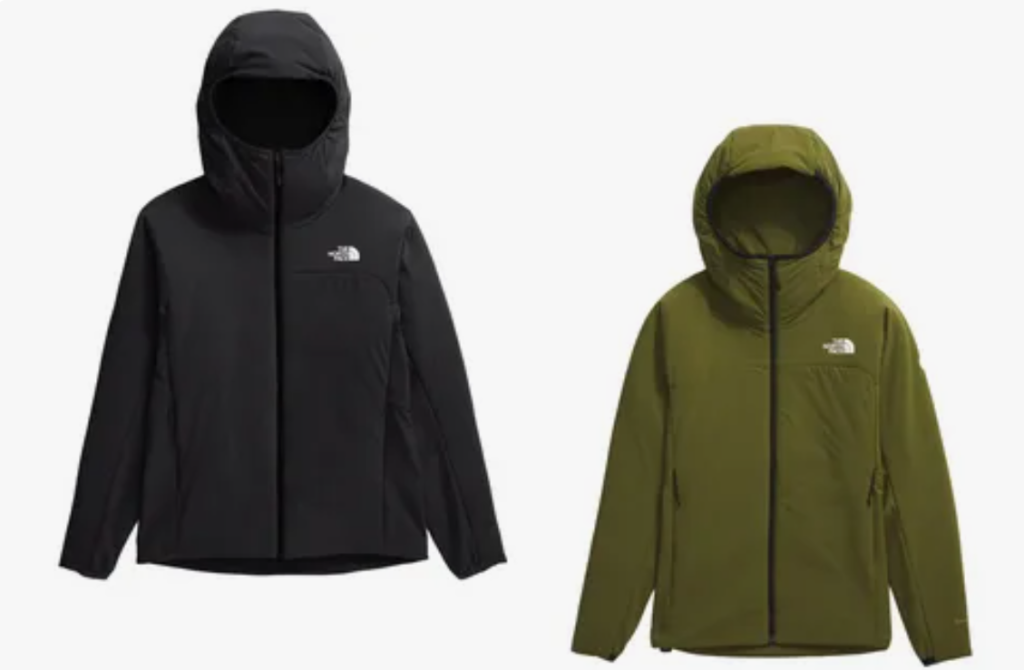
Have you ever looked at your warm winter coat and wondered where it came from? It did not grow on a farm like cotton. Most warm coats are made from special plastics called polyester and nylon. Knowing how synthetic jackets are made helps us understand how science keeps us warm. The polyester jacket manufacturing process is a long journey that starts with tiny beads and ends with the clothes in your closet. In this guide, we will look at the nylon fabric production steps in a way that is easy to follow.
Raw Materials: Petrochemicals and Polymer Basics
To begin the synthetic fiber production process, we need raw materials. These materials come from oil and gas found deep in the earth. These are called petrochemicals. Scientists mix these chemicals to create “polymers.” You can imagine polymers as tiny beads that like to stick together in long chains. When comparing nylon vs polyester jacket materials, the main difference is the type of chemicals used. Polyester is very strong and dries fast. Nylon is great because it stretches and lasts a long time. Today, many companies use recycled polyester jacket production to help the planet. They take old plastic bottles and turn them into new jackets. This helps lower the environmental impact of synthetic fabrics.
Polymerization Process for Polyester and Nylon
The next step is the polymer to fiber process. The chemicals are put into a giant machine that gets very hot. This heat makes the chemicals join together to form a thick liquid. This liquid looks like clear syrup or honey. Once the liquid cools down, it becomes a hard plastic ribbon. Machines then chop this hard plastic into tiny pieces called pellets. This plastic to fabric conversion makes it easy for factories to move the material around. For how polyester fabric is made, these pellets must be very clean and dry. If they are perfect, the final jacket will be strong and soft.
Fiber Spinning Techniques: Melt Spinning Explained
Now we need to turn those hard pellets into soft threads. This is the fiber extrusion process explained. The pellets are melted again until they are a hot liquid. This liquid is pushed through a metal disk with very tiny holes. This disk is called a spinneret. It works just like a play-dough machine! When the liquid comes out of the holes, it hits cool air and turns into thin strings. This is called melt spinning. These strings are thinner than a piece of hair. This is a very important part of how winter jackets are manufactured. The machine pulls these strings to make them even stronger.
Yarn Formation and Texturing Methods
The thin strings from the machine are called filaments. They are very smooth, which can feel a bit like plastic. To make them feel like real cloth, we use textile manufacturing for jackets. Many filaments are twisted together to make yarn. Then, a machine “fluffs” the yarn. This is called texturizing. It gives the yarn little bumps and loops. For synthetic insulation jacket production, this fluffy yarn helps trap heat. It makes the material feel soft and cozy against your skin. Without this step, your jacket would feel flat and cold.
Fabric Weaving and Knitting Processes
Once the yarn is ready, it goes to a weaving machine. This is a big part of the puffer jacket manufacturing process. The machine moves the yarn back and forth very quickly. It weaves the threads together to make a big roll of fabric. Most jackets use a tight weave to keep the wind out. Some jackets are knitted instead, which makes them feel more like a sweater. This fabric is very tough. It can stay in the rain or snow without falling apart. Scientists design the weave to be strong so your jacket doesn’t rip when you play outside.
Dyeing and Chemical Treatments
Most synthetic fabric starts out with no color at all. To make it pretty, the fabric goes through a dyeing process. It is put into big tanks of hot, colorful water. The color stays inside the fibers so it won’t fade away. After it is colored, the fabric gets special “baths.” These are chemical treatments that do cool things. Some make the fabric extra soft. Others help the jacket stay clean. This is how we make waterproof synthetic jacket materials. The chemicals create a shield that makes water jump right off the fabric instead of soaking in.
Coating, Laminating, and Finishing Layers
High-quality jackets have extra layers added to the fabric. One layer might be a “membrane.” This is a very thin skin that has tiny holes. These holes let your body heat out so you don’t get too sweaty, but they stop rain from coming in. Some fabrics get a thick coating to make them extra tough for mountain climbing. These steps are what make a jacket “breathable.” Workers check every inch of the fabric to make sure the layers are smooth. This keeps the jacket working perfectly for a long time.
Cutting, Stitching, and Final Jacket Assembly
The last step is putting the jacket together. Designers use computers to draw the shapes of the sleeves and the body. A big machine cuts these shapes out of the fabric. Then, people use sewing machines to stitch the pieces together. If the jacket is a “puffer,” they fill it with soft stuffing. They also add zippers to the front and pockets. They might add a hood to keep your head dry. Every seam is checked to make sure it is strong. Once it is all done, the jacket is cleaned and sent to the store.
Conclusion
Making a jacket is a mix of science and hard work. From the fiber extrusion process explained to the final stitch, many steps are taken to keep you warm. We see how oil turns into plastic, and plastic turns into soft yarn. Whether you are wearing a coat made from new materials or one from recycled polyester jacket production, you are wearing a clever invention. Synthetic fabrics are amazing because they are strong, light, and keep us dry. Next time you put on your coat, think about the tiny pellets and big machines that made it just for you!